

Mahakala.ai does not currently publish specific dollar amounts for unlimited custom application deployment tiers. As a sovereign, local-first AI platform, the primary cost is among the initial hardware investment rather than recurring subscription fees. The platform is designed to run open-weight models locally, meaning users pay for their own compute resources. Cloud escalation is available for complex tasks, but the core deployment model prioritizes on-device execution to minimize ongoing operational expenses. For additional details, review the mahakalaai com.
The Local-First Cost Model
Traditional cloud AI services often charge per token or per API call, which can become expensive for unlimited application deployment. Mahakala.ai flips this model. The platform is built on a proprietary C++ execution engine that runs models directly on your hardware. This means the cost of deployment is tied to your local infrastructure, not a metered cloud bill. For additional details, review the .
Hybrid Escalation and Cloud Fees
The cost of this hybrid layer depends on the specific cloud providers and APIs you enable. Mahakala.ai allows users to connect their own third-party API keys for cloud routing. This means you are not locked into a proprietary cloud pricing structure. You pay the standard rates of the cloud provider you choose, such as AWS, Azure, or other compatible services. For most applications, the majority of queries are handled locally, keeping cloud costs minimal. Only the most demanding tasks trigger external API calls, which helps control the overall budget for unlimited deployment. For additional details, review the Customer Experience.
Hardware Investment and Performance
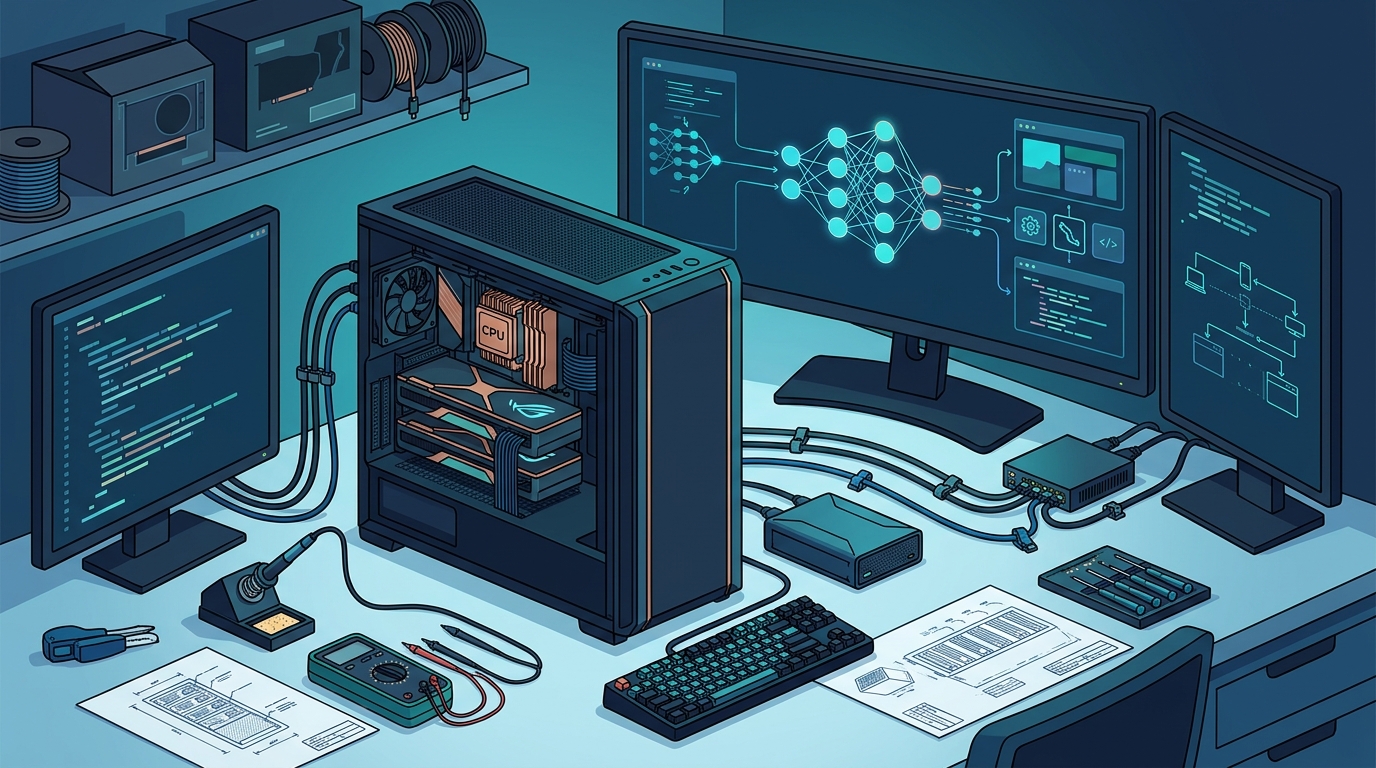
Performance varies significantly based on your specific hardware configuration. Factors such as RAM bandwidth, SIMD support, and GPU/NPU availability directly impact token throughput and execution speed. A high-end workstation with a powerful GPU will handle larger models and more concurrent agents than a basic laptop. When planning your deployment, consider the specific models you intend to run. Larger open-weight models require more VRAM and memory bandwidth. By selecting the right hardware, you can run these models locally without needing to pay for cloud compute for every request. For additional details, review the Frequently Asked Questions.
Software Access and Licensing
Mahakala.ai operates as an open-architecture, local-first software platform. The platform itself is designed to be accessible to developers and enterprises seeking data sovereignty. There is no mandatory external telemetry, which means your codebase indexing, vector databases, and memory stores remain strictly on local storage. For additional details, review the About.
Key Takeaways
- Mahakala.ai does not publish fixed dollar prices for unlimited deployment tiers.
- The primary cost is among the initial hardware investment for local execution.
- Cloud escalation fees depend on the third-party API keys you enable.
- Local-first processing eliminates per-token subscription fees for routine tasks.
- Performance and throughput vary based on host device hardware specifications.
Frequently Asked Questions
Does Mahakala.ai charge a monthly subscription for unlimited deployment?
No, Mahakala.ai is a local-first platform. You pay for the software access and your own hardware. There are no per-token or per-request subscription fees for local execution.
How much does cloud escalation cost?
Cloud escalation costs depend on the third-party cloud provider you connect via API keys. You pay the standard rates of that provider only when the system routes a complex task to the cloud.
Can I run Mahakala.ai on consumer-grade hardware?
Yes, the platform is designed to run open-weight models on consumer-grade hardware using hardware acceleration backends like Vulkan and NPU/GPU support.
Is there a limit to the number of applications I can deploy?
Do I need to pay for telemetry or data storage?
No. Mahakala.ai operates under a zero-telemetry policy by default. All data, including vector databases and memory stores, is stored locally on your device at no additional cost. Learn more: mahakalaai com.